Backing the Free Fundraising Platform That Took Revenue From $1.3 Million to $41.5 Million

Ring Mission's initial investment, Series A, 2021
Ring Capital's total investment across all rounds
EBITDA in 2025, up from a loss of $0.8m in 2021
valuation in the 2025 secondary
nonprofits served, 2026
revenue growth in 2025
jobs created since investment, as of Dec 2025
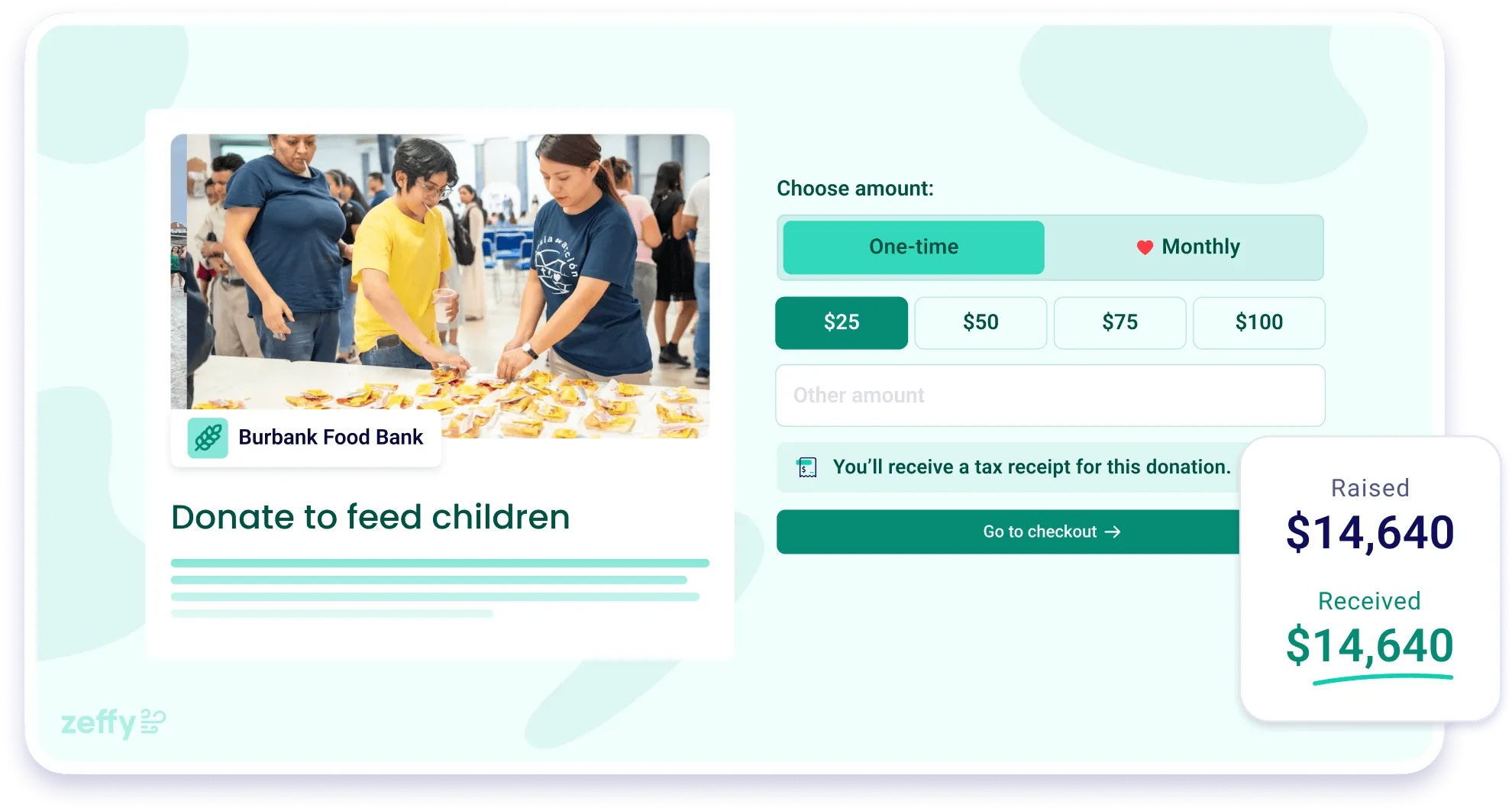
Zeffy gives nonprofits a 100% free tech suite to run their operations, including fundraising. The platform charges nonprofits nothing and is funded entirely by optional tips from donors. Traditional fundraising platforms typically charge nonprofits 2% to 8% in fees.
A MODEL THAT PAYS FOR ITSELF
Revenue grew from $1.3 million in 2021 to $41.5 million in 2025, about 32 times higher, with growth of 130% in 2025 alone. EBITDA moved from a loss of $0.8 million in 2021 to a profit of $10 million in 2025, and the company expects it to double to about $20 million in 2026. More than 100,000 nonprofits now use Zeffy, which has helped them raise $2 billion.
FROM DONATION FORMS TO A FULL SUITE
Zeffy started with donation forms. It has grown into a full suite for nonprofits that includes ticketing, memberships and a CRM. It expanded from Canada to the United States and the United Kingdom, and became a certified B Corp in 2022. Ring Mission supported key hires along the way, from a CMO to a Head of Risk. The company has created 30 jobs since the investment, as of December 2025.
THE INVESTMENT
Ring Mission made its first investment in 2021 at Series A with €1 million, and has invested €4.38 million in total across rounds. Real Ventures, Panache Ventures, family offices and business angels are among the co-investors. Zeffy has raised €4.2 million to date.
A SELF-FUNDED GROWTH STORY
The company's latest transaction was a secondary in 2025, priced at 10 times Ring Mission's entry price and valuing Zeffy at €140 million. It brought no new money into the company, which has been self-funded since its Seed round. The transaction simplified the cap table, gave early shareholders liquidity and brought in a US private investor. Ring Mission reinvested above its pro rata share to reach 10% of the fully diluted company.