Backing Engrate's AI-Native Push to Unblock Grid Integration

fund's initial investment
latest round valuation (Fund Quarterly Report, Q2 2026)
total capital raised to date
jobs created since investment, as of June 2026
hours saved per year on grid integrations
A PRE-SEED BET ON GRID INTEGRATION
Engrate is a Swedish company building an AI-native energy API designed to remove grid integration bottlenecks. The company sits in the climate and energy sector and is led by founders Anna Engman (CEO) and Richard Eklund (CTO). Course Corrected VC Fund II led Engrate's pre-seed round in 2025, backing a small team taking on one of the least visible but most costly problems in the energy transition: getting new generation, storage, and demand-side assets actually connected to the grid without long manual delays.
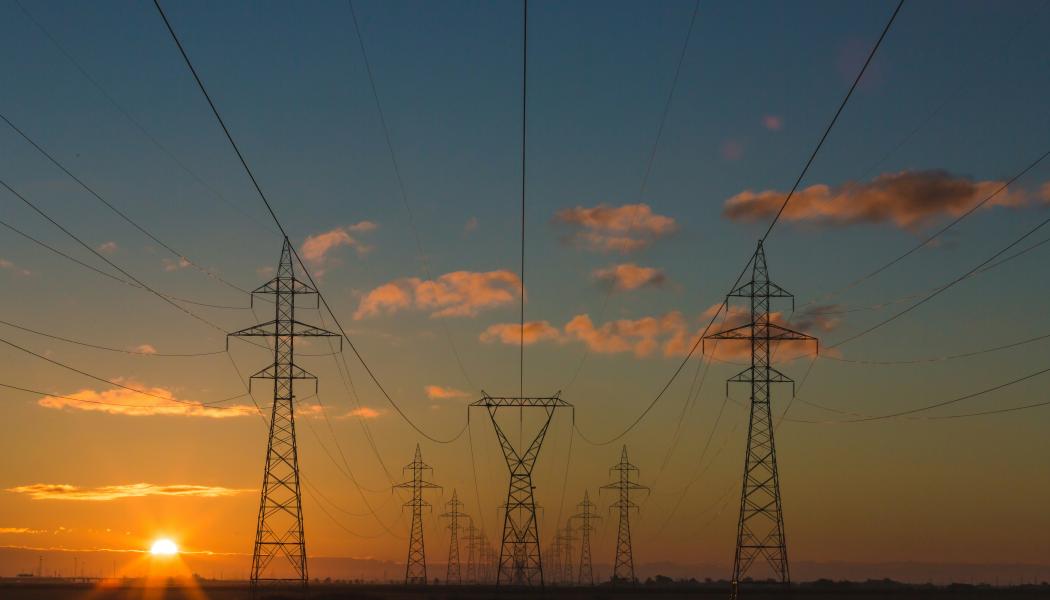
Grid integration is normally a slow, paperwork-heavy process, handled case by case between utilities, developers, and regulators. Engrate's bet is that this can be turned into an API: a standard, software-driven interface that removes the bottleneck rather than working around it. It is an infrastructure play as much as a software one, which is part of why it sits in a sector, climate and energy, where the value of a technology often takes longer to show up in a multiple than it does in a fast-growing consumer or software business.
SCALING THROUGH FOLLOW-ON CAPITAL
Engrate has raised EUR 3 million to date. Maniv Mobility and Eviny Ventures joined as notable co-investors in later rounds, both funds with a specific focus on energy and mobility infrastructure, which is a relevant signal for a company operating at the software-and-grid interface.
STILL EARLY, MARKED AT COST
As of Q2 2026, Engrate's latest round values the company at EUR 10 million, with Course Corrected VC Fund II's position marked at a 1.0x unrealized multiple. Since the investment, Engrate has created 5 jobs (as of June 2026) and its customers report saving 2,845 hours per year on grid integration work, also as of mid-2026.

WHAT THIS SHOWS
A pre-seed cheque into a climate and energy company takes years to show up as a multiple. One year in, a position marked at cost is the expected shape of the curve, not a warning sign. Infrastructure and energy businesses tend to move on a slower clock than consumer software, because they depend on relationships with utilities and regulators as much as on product velocity.
Operational metrics can move before financial ones. Jobs created and hours saved for customers are both concrete and both positive. For an early-stage energy company, hours saved on integration work is arguably the more meaningful number, since it is a direct measure of the problem the company was built to solve.
Co-investor quality is an early signal. Maniv Mobility and Eviny Ventures joining later rounds says more at this stage than the multiple does, since both funds specialise in exactly the kind of infrastructure bet Engrate represents.